
When Adding a Car Doesn't Trigger the Discount
You bought a second car, called your carrier to add it to your policy, and expected your premium to drop with the multi-car discount. Instead, your premium went up—sometimes significantly. The carrier added the vehicle, but the discount never appeared on your declaration page.
The multi-car discount is not automatic when you add a second vehicle. It applies only when specific structural requirements are met: every vehicle must sit on the same policy, every vehicle must be garaged at the same address, and in most cases every driver in the household must be listed or excluded. Miss any one of these requirements and the discount does not apply, even if you own multiple cars.
Compare car insurance rates in your state
Get quotes from licensed carriers — no obligation, no spam, results in minutes.
Get Your Free QuoteNational Multi-Car Writers
21 carriers
Twenty-one carriers in the national roster actively write multi-vehicle policies with advertised multi-car discounts. Not all carriers structure the discount the same way—some apply it per vehicle, others apply it to the policy premium, and a few require three or more vehicles before the discount kicks in.
NAIC carrier licensing data, 2026
The Same-Policy Requirement
The multi-car discount requires every vehicle to sit on the same auto insurance policy. Two cars titled to the same owner but covered under separate policies do not qualify. Two cars in the same household but one on your policy and one on your spouse's separate policy do not qualify.
This becomes a structural problem after marriage, when moving in with a partner, or when a household member buys their own car. Each person arrives with their own policy. Combining those policies into one is the only way to unlock the multi-car discount—but combining policies means re-rating every vehicle and every driver on the new shared policy, which can raise the premium for one or both parties.
Carriers do not automatically combine policies when you add a vehicle. You must explicitly request a policy combination and provide proof that both vehicles are garaged at the same address. Some carriers require a new application; others allow a mid-term endorsement. The process varies by carrier, and the timing matters—combining policies mid-term can trigger a pro-rated premium adjustment that looks like a rate increase even when the annualized cost is lower.
A vehicle titled to someone outside your household—even if you're the primary driver—usually does not qualify for your policy's multi-car discount. The title and garaging address must align.
Garaging Address and Household Composition
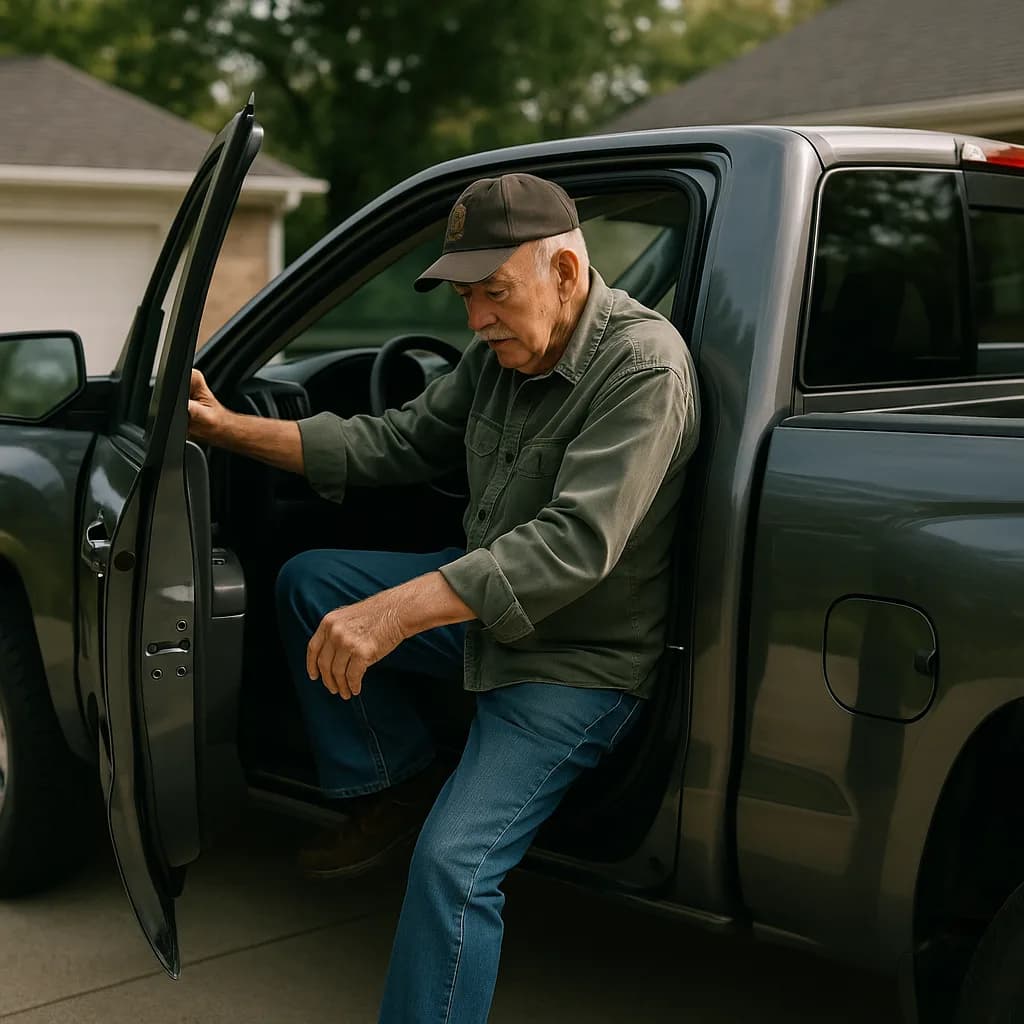
If you own two cars but one is garaged at a second home, a college campus, or a different state, that vehicle does not qualify for the same-policy multi-car discount. Some carriers allow an exception for a student away at school if the student is listed on the policy and the vehicle remains titled to the household, but this is carrier-specific. Most carriers require proof of the garaging address—a lease, a utility bill, or a vehicle registration showing the address—before applying the discount.
Household composition matters as much as garaging address. Carriers define a household as all related individuals living at the same address. Roommates who are not related typically cannot share a single policy, which means they cannot access the multi-car discount even if they garage their cars at the same address. Married couples, domestic partners, and parents with children can combine vehicles on one policy. Roommates usually cannot, though a few carriers allow it with proof of shared financial responsibility.
Related Articles






Driver Listing and Exclusion Requirements
Adding a second vehicle to your policy triggers a driver review. The carrier will ask who drives each vehicle and whether any other licensed drivers live at your address. Every household member with a driver's license must be listed on the policy or formally excluded. If you skip this step, the carrier can deny a claim involving an unlisted driver—even if that driver was not at fault.
Listing every household driver re-rates the policy. A household with a teen driver or a driver with a recent violation will see a significant premium increase when that driver is added, even if the second vehicle itself is inexpensive to insure. Some households try to avoid this by keeping the second vehicle on a separate policy in the other spouse's name, but this forfeits the multi-car discount and can create coverage gaps if the unlisted driver uses the other vehicle.
Formal driver exclusion is an option in most states. An excluded driver is named on the policy but explicitly barred from coverage. If the excluded driver uses any vehicle on the policy and has an accident, the carrier will deny the claim. Exclusion lowers the premium but introduces risk—if the excluded driver ever needs to use a household vehicle, you must contact the carrier to lift the exclusion before they drive.
National Auto Premium Range
$61–$120/mo
The national average auto insurance premium ranges from $61 to $120 per month for a single vehicle with standard liability coverage. Adding a second vehicle to the same policy typically costs less than starting a separate policy for that vehicle, even before the multi-car discount applies, because the policy fee and administrative costs are shared.
NAIC Auto Insurance Database, 2023
When the Discount Applies Per Vehicle vs Per Policy
Carriers structure the multi-car discount in two ways: per vehicle or per policy. A per-vehicle discount reduces the premium for each car on the policy by a fixed percentage. A per-policy discount reduces the total policy premium once, regardless of how many vehicles are listed. The per-vehicle structure usually produces a larger total discount when you have three or more cars. The per-policy structure is simpler but caps the benefit.
Some carriers apply the discount only when you reach a minimum vehicle count—two vehicles for most, three for a few. If you add a second vehicle but the carrier requires three to trigger the discount, you will not see any reduction until the third vehicle is added. Check your carrier's specific threshold before assuming the discount will apply.
Compare Carriers That Write Your Household Structure
Not every carrier writes multi-vehicle policies the same way. Some carriers specialize in households with multiple cars and offer deeper discounts. Others apply strict garaging-address rules or require every household driver to be listed with no exclusion option. A carrier that works well for a single-car household may not be the best fit when you add a second or third vehicle.
When you're ready to compare, focus on carriers that write policies for your household structure: the number of vehicles, the number of drivers, and whether any drivers have recent violations or are under 25. Use the site's comparison tool to see which carriers write your specific situation and how each structures the multi-car discount. The right carrier depends on your household, not just the advertised discount percentage.