Multi-Car Insurance — Hawaii

A Hawaii multi-car policy covers two or more vehicles on one policy, each carrying at least the state's 40/80/20 liability minimum plus $10,000 personal injury protection. Combining vehicles on one policy earns the multi-car discount, and each vehicle can carry its own coverage level—liability only or full coverage—while the whole policy shares the discount.

Compare Hawaii Auto Insurance

Non-Standard Auto · SR-22 · Senior · Teen Drivers

Highway with cars during hazy golden hour sunset with trees lining both sides
Quotes from state-licensed insurance professionals
Licensed Agents Only
Free to request, no commitment required
No Obligation
No cost to you
Free to Use
Your contact information is protected
TCPA-Compliant
Updated July 2026

Multi-Car Liability Requirements in Hawaii

Every vehicle on a Hawaii multi-car policy must carry at least $40,000 bodily injury per person, $80,000 bodily injury per accident, $20,000 property damage, and $10,000 personal injury protection. Hawaii operates under a no-fault system, meaning PIP covers your own medical expenses regardless of who caused the collision. The multi-car discount applies when all vehicles sit on the same policy and typically requires a shared garaging address, so adding a second or third vehicle re-rates the entire policy rather than adding a flat amount.
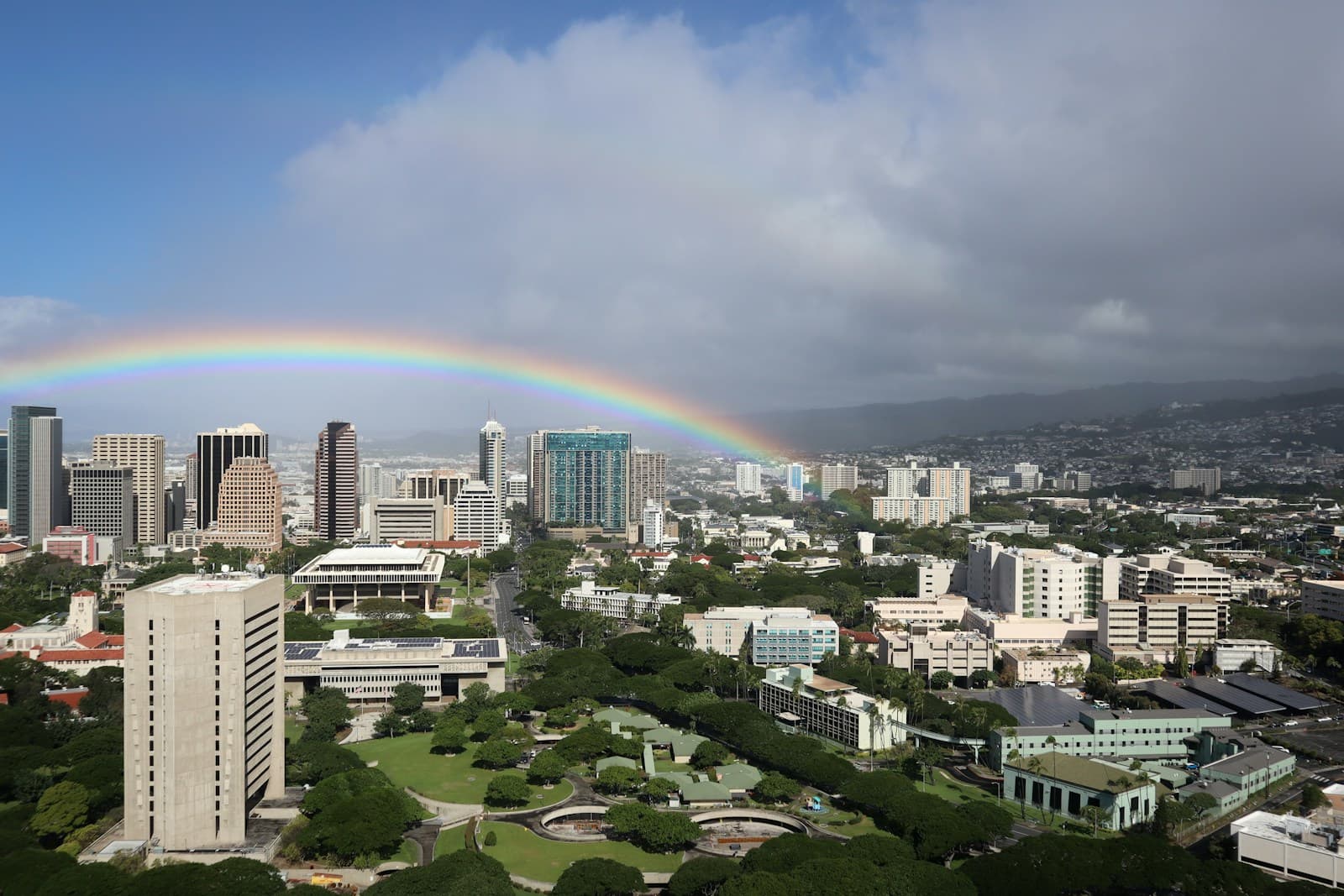
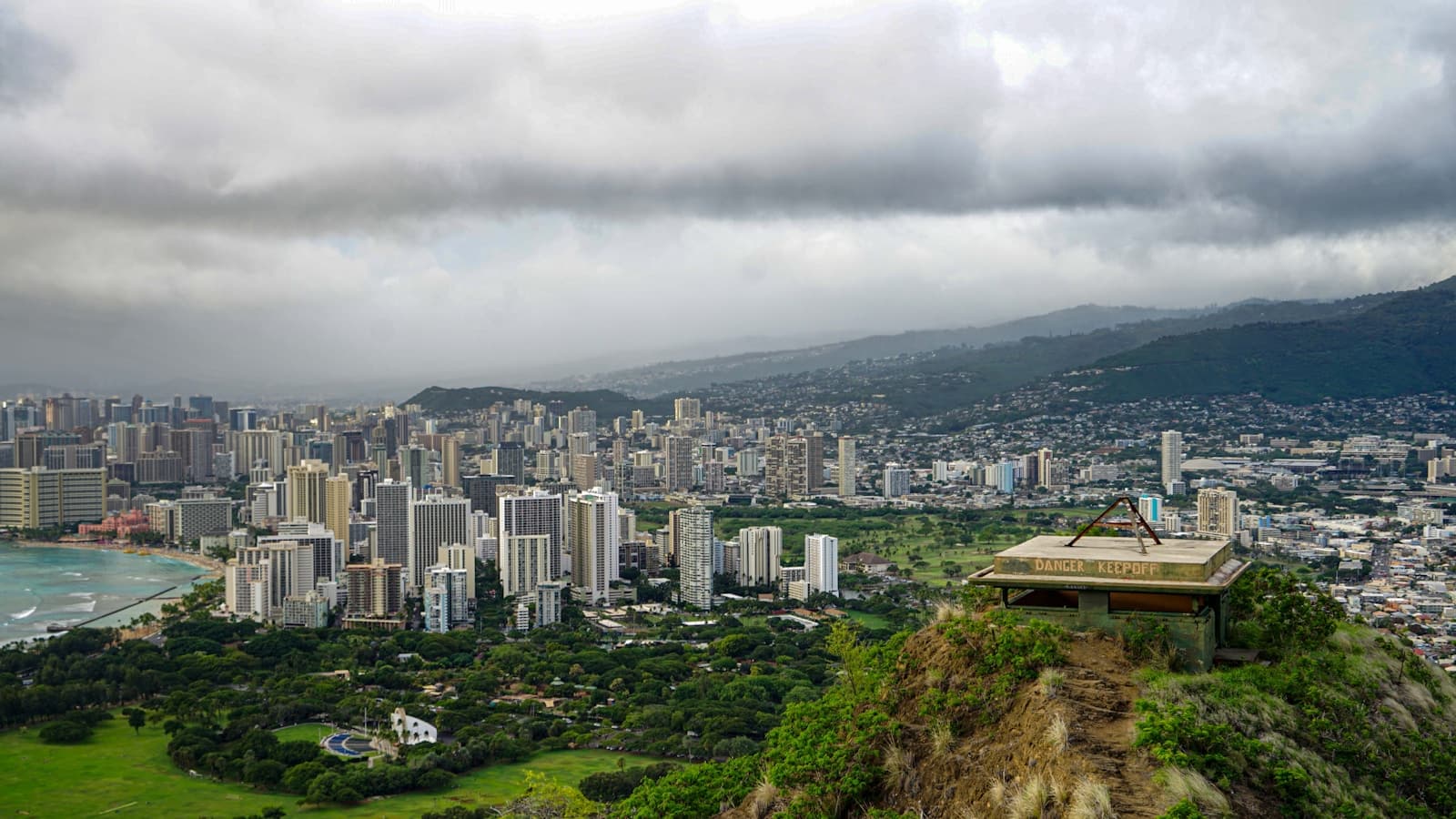
Hawaii cityscape and street view
$40,000/$80,000 minimum
Bodily Injury Liability
Every vehicle on your Hawaii multi-car policy must carry at least $40,000 per person and $80,000 per accident in bodily injury liability. This coverage pays for injuries you cause to others in a collision. Among carriers writing in Hawaii, State Farm, Geico, Progressive, and Allstate all offer multi-car discounts when you insure two or more vehicles on one policy.
$20,000 minimum
Property Damage Liability
Hawaii requires $20,000 property damage liability per vehicle on your multi-car policy. This pays for damage your vehicle causes to another person's car or property. Each vehicle on the policy carries its own property damage limit, so a household with three cars has three separate $20,000 minimums, not one shared pool.
$10,000 minimum
Personal Injury Protection
Hawaii mandates $10,000 personal injury protection on every vehicle, covering your own medical expenses after a collision regardless of fault. On a multi-car policy, each vehicle carries its own PIP coverage. Farmers, National General, and USAA write multi-car policies in Hawaii with PIP included on every vehicle.
Same policy required
Multi-Car Discount
The multi-car discount applies when you insure two or more vehicles on a single Hawaii policy. Most carriers require every vehicle to share the same garaging address and the same policy number. Adding a vehicle mid-term re-rates the entire policy to reflect the new vehicle count, so the discount adjusts immediately rather than waiting for renewal.
Optional beyond state minimums
Full Coverage Per Vehicle
Each vehicle on a Hawaii multi-car policy can carry its own coverage level. One car might carry liability only at the 40/80/20 minimum, while another carries full coverage with collision, comprehensive, and higher liability limits. The multi-car discount applies to the whole policy regardless of which vehicles carry physical damage coverage.
State-Mandated Minimum Coverage · Hawaii

Hawaii Minimum Coverage

CoverageMinimum
Bodily Injury (per person)$40,000
Bodily Injury (per accident)$80,000
Property Damage$20,000

Meeting the state minimum keeps you legal. See whether it's enough — get your Hawaii quote.

Get your Hawaii quote

What Shapes Multi-Car Costs in Hawaii

Multi-car policy cost in Hawaii depends on the number of vehicles, the drivers assigned to each, the coverage selected per vehicle, and the multi-car discount structure. Among the 12 carriers writing in Hawaii—including Geico, State Farm, Progressive, Allstate, Farmers, USAA, National General, Liberty Mutual, Hartford, Travelers, Amica, and Auto Club Enterprises—discount rules vary, so comparing carriers matters for multi-vehicle households.

What Affects Your Rate

  • Hawaii's 40/80/20 liability minimum plus $10,000 PIP applies to every vehicle on the policy, setting the coverage floor regardless of vehicle count.
  • The multi-car discount typically requires all vehicles on the same policy and the same garaging address; vehicles titled to different household members can still qualify if they share a policy and address.
  • Each vehicle's make, model, year, and assigned driver shape its portion of the total premium; a 2015 sedan and a 2023 truck on the same policy carry different base rates.
  • Collision and comprehensive coverage are optional in Hawaii and priced per vehicle; one car on the policy can carry full coverage while another carries liability only.
  • Hawaii's 9.6% uninsured motorist rate means uninsured motorist coverage—though not required—adds a layer of protection for multi-car households where one vehicle might be hit by an uninsured driver.
  • Adding a vehicle mid-term re-rates the entire policy immediately rather than waiting for renewal, so the multi-car discount adjusts as soon as the new vehicle is added.
Two Vehicles, One Policy
40/80/20 + PIP
Cost depends on the vehicles' make, model, and year, the drivers assigned to each, and the carrier's multi-car discount structure. Adding the second vehicle re-rates the entire policy.
Adding a Vehicle Mid-Term
Re-rates policy
The new vehicle's premium is prorated from the date you add it, and the multi-car discount adjusts for the whole policy. Cost depends on the new vehicle's value, the driver assigned, and the coverage level you select.
Combining Two Households
Shared address
When two households combine in Hawaii, merging both policies onto one earns the multi-car discount if all vehicles garage at the same address. Each vehicle retains its own coverage level and deductible.

Compare car insurance rates in your state

Get quotes from licensed carriers — no obligation, no spam, results in minutes.

Get Your Free Quote
No Obligation Required Licensed Carriers Only Available Nationwide Free to Compare

Find Your City in Hawaii

Honolulu, Hawaii cityscape and street view

Honolulu

urbanCost varies by the number of vehicles, the drivers assigned, and the coverage selected per vehicle; carriers writing in Honolulu include Geico, State Farm, Progressive, and Allstate.

Honolulu's high traffic density and 383.3 vehicle thefts per 100,000 population statewide mean multi-car households often add comprehensive coverage to at least one vehicle.

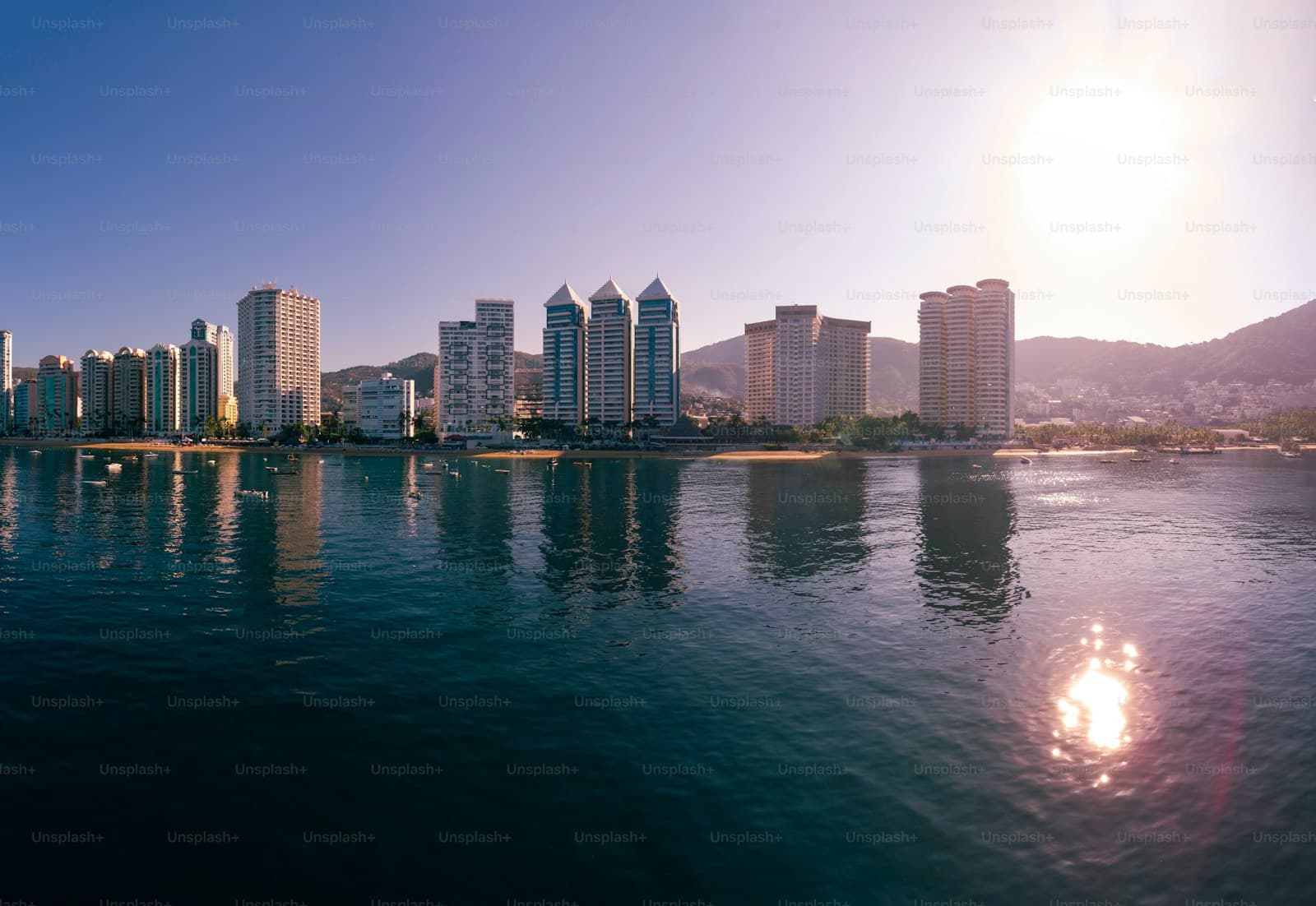
City skyline reflected in water at sunset with golden light and purple-orange sky

Pearl City

suburbanAdding a vehicle mid-term to a Pearl City multi-car policy re-rates the entire policy immediately; the multi-car discount adjusts as soon as the new vehicle is added.

Pearl City's proximity to Honolulu and high vehicle registration density make multi-car policies common, and carriers writing here include Farmers, USAA, and National General.

Sunset on tropical beach with pebbles, tree silhouette, and golden light reflecting on wet sand

Hilo

urbanMulti-car households in Hilo can compare carriers with multi-car discounts; each vehicle on the policy carries at least Hawaii's 40/80/20 minimum.

Hilo's frequent rain and rural driving conditions make collision coverage common on multi-car policies, particularly for newer vehicles.

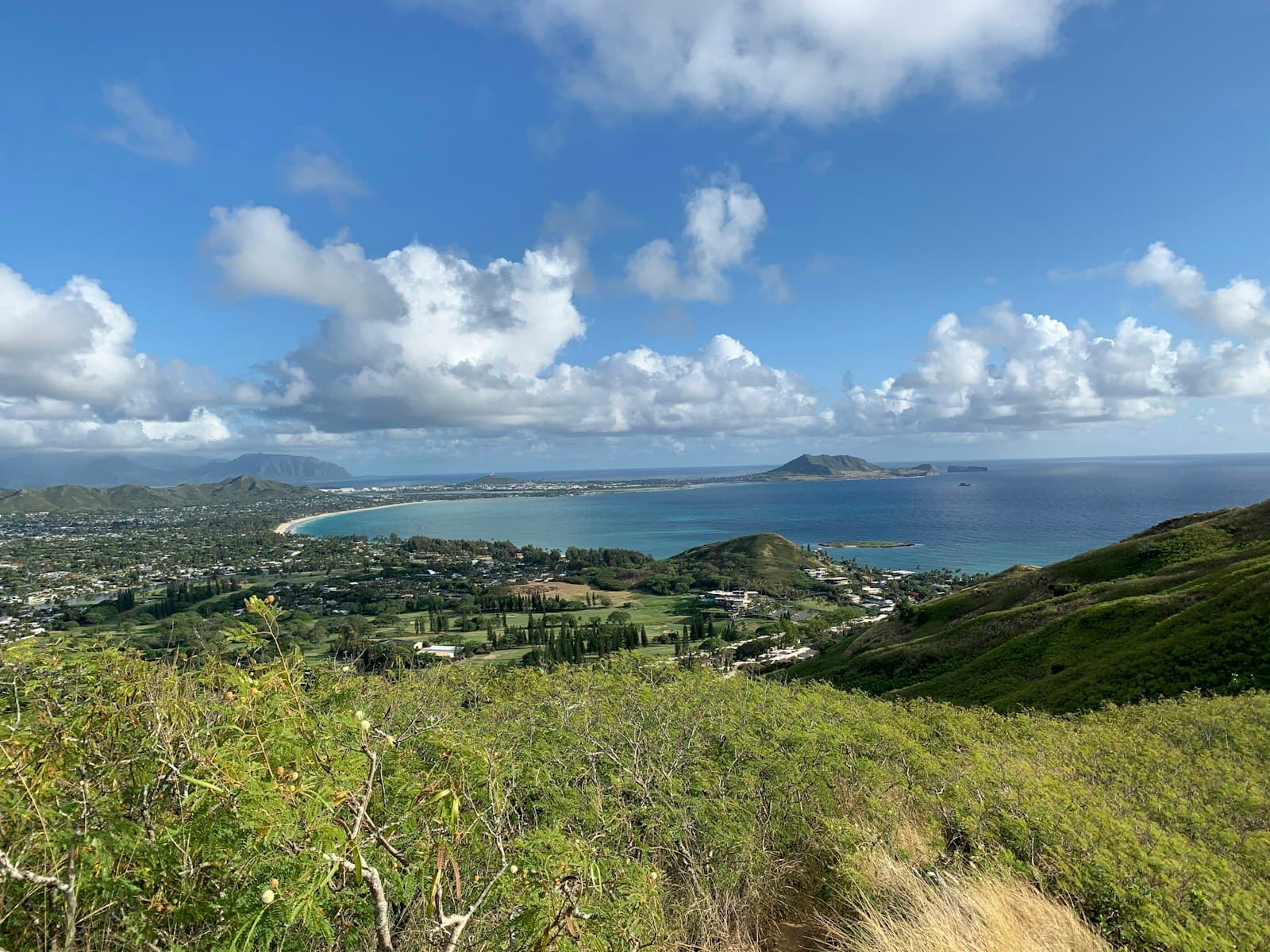
Aerial view of tropical coastal town with bay, green hills, and blue ocean under cloudy sky

Kailua

suburbanCost depends on the vehicles, the drivers, and the coverage level selected per vehicle; the multi-car discount applies when all vehicles sit on one policy.

Kailua's residential density and high seat-belt use rate (95.9% statewide) reflect a safety-conscious driver population, which can influence multi-car policy pricing.

Aerial view of lush green coastal cliffs and volcanic ridges meeting the ocean under blue sky

Waipahu

suburbanEach vehicle on a Waipahu multi-car policy carries its own coverage level; the multi-car discount requires all vehicles on the same policy and typically the same garaging address.

Waipahu's mix of commuter and residential traffic means multi-car households often assign different drivers to different vehicles, which shapes the policy's total cost.

Frequently Asked Questions

Get Your Free Quote in Hawaii