The Multi-Car Discount Requires One Policy
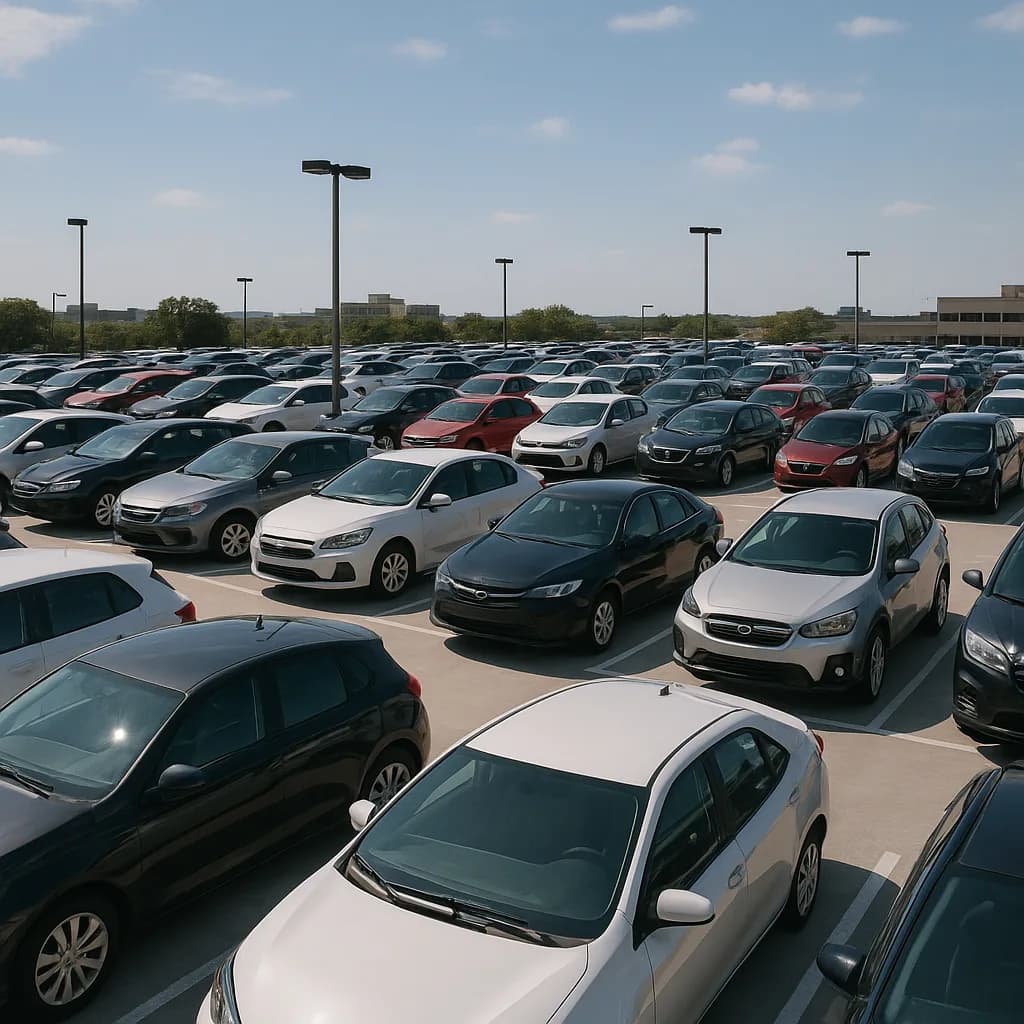
You own two cars in Pennsylvania and want to know if insuring them together costs less than keeping them on separate policies. The multi-car discount exists, but it only applies when every vehicle sits on the same policy under the same policyholder name. A vehicle titled to a household member on a different policy does not count toward your discount, even if you live at the same address.
Pennsylvania's minimum liability requirements are $15,000 per person for bodily injury, $30,000 per accident, and $5,000 for property damage. The state also requires Personal Injury Protection coverage. Every vehicle on your policy must meet these minimums, and adding a second or third car re-rates the entire policy rather than simply adding a flat amount to your premium.
Compare car insurance rates in your state
Get quotes from licensed carriers — no obligation, no spam, results in minutes.
Get Your Free QuotePennsylvania Multi-Vehicle Writers
25 carriers
Twenty-five carriers write multi-car policies in Pennsylvania, including State Farm, Geico, Progressive, Erie, and Allstate. Carrier base rates vary more than discount percentages, so the cheapest option depends on your household's vehicle mix and driver profile.
Pennsylvania Department of Insurance carrier roster
Base Rate Beats Discount Percentage
The multi-car discount typically ranges across carriers, but the discount percentage alone does not determine your final cost. A carrier with a lower base rate and a smaller discount often produces a lower combined premium than a carrier with a higher base rate and a larger discount. You cannot evaluate cost by discount alone.
Pennsylvania households insure an average of 1.19 vehicles per licensed driver. When you add a second vehicle, the policy re-rates based on the combined risk profile of both cars, both drivers if applicable, and the garaging address. A sedan and a pickup truck produce a different combined rate than two sedans, even under the same discount structure.
The state's average annual auto insurance expenditure per insured vehicle is $1,170.31. This figure includes single-car and multi-car policies. Multi-car households typically pay less per vehicle than the statewide average, but the exact savings depend on carrier, vehicle type, and driver history.
The blocker: you cannot compare carriers by advertised discount alone. The base rate determines your actual cost, and base rates vary by household composition and garaging address.
How to Compare Multi-Car Carriers in Pennsylvania
Start by listing every vehicle you want to insure: year, make, model, and garaging address. Pennsylvania carriers price based on vehicle age, theft risk, and repair cost. A 2015 sedan garaged in Philadelphia prices differently than the same sedan garaged in Erie, even under the same coverage limits. Include every driver who will operate the vehicles, along with their age, license status, and driving history. Carriers re-rate the policy when you add a driver mid-term.
Request quotes from at least four carriers that write multi-vehicle policies in Pennsylvania. Use identical coverage limits across every quote: the same liability limits, the same collision and comprehensive deductibles, and the same uninsured motorist coverage. Pennsylvania requires Personal Injury Protection, so every quote will include it. Compare the total annual premium for all vehicles combined, not the per-vehicle breakdown. The per-vehicle figure hides how carriers allocate cost across the policy.
Related Articles



Same-Policy Requirement and Household Structure
The multi-car discount applies only when every vehicle sits on one policy. If you and a spouse each maintain separate policies, combining them into one policy typically lowers the total household cost, but not always. Some carriers offer a better rate for two separate policies when the drivers have significantly different risk profiles.
A vehicle titled to a household member outside the policy does not qualify for the multi-car discount. If your adult child owns a car titled in their name and maintains their own policy, that vehicle does not count toward your discount even if they live at your address. The same-policy requirement is strict.
Pennsylvania allows you to add a vehicle to an existing policy mid-term. The carrier re-rates the entire policy effective the date you add the vehicle, and you pay the prorated difference for the remainder of the term. Adding a vehicle does not simply add a flat monthly amount; it recalculates the combined risk and adjusts the premium accordingly.
Pennsylvania Minimum Liability Limits
$15,000 / $30,000 / $5,000
Pennsylvania requires $15,000 per person for bodily injury, $30,000 per accident, and $5,000 for property damage. Every vehicle on your multi-car policy must meet these minimums. Increasing liability limits to $100,000/$300,000/$100,000 costs more but provides better protection for households with multiple vehicles.
Pennsylvania Department of Transportation
Collision and Comprehensive on Multiple Vehicles
Collision and comprehensive coverage are optional in Pennsylvania, but lenders require them if you finance or lease a vehicle. When you insure multiple vehicles, you choose separate deductibles for each car. A $500 deductible on one vehicle and a $1,000 deductible on another is common when one car is newer or more expensive to repair.
Dropping collision and comprehensive on an older vehicle while keeping them on a newer one lowers your premium without leaving the newer car unprotected. The multi-car discount still applies to the entire policy even when coverage levels differ across vehicles. Evaluate each vehicle separately: if the car's value falls below ten times the annual cost of collision and comprehensive, dropping those coverages often makes financial sense.
Compare Carriers That Write Your Household
Twenty-five carriers write multi-car policies in Pennsylvania, but not every carrier writes every household composition. Some carriers restrict the number of vehicles per policy. Others decline households with more than two drivers under age 25. Acceptance Insurance, Bristol West, Dairyland, Direct Auto, GAINSCO, Infinity, Kemper, National General, The General, and Root write non-standard and high-risk households that standard carriers decline.
Request quotes from carriers that write your specific household structure. If you have three vehicles and two teen drivers, confirm the carrier writes that configuration before spending time on a quote. Pennsylvania's uninsured motorist rate is 11 percent, so uninsured motorist coverage is worth considering even though the state does not require it. Carriers price uninsured motorist coverage separately, and the cost varies by household size and vehicle count.
The cheapest multi-car policy for your household depends on base rate, not discount percentage. Compare total annual premiums across at least four carriers, using identical coverage limits and deductibles. The carrier with the lowest combined premium for all vehicles is the cheapest option, regardless of the discount percentage they advertise.