
When a Household Member Brings a Car
A household member just moved in with their own vehicle. Your carrier says the car must be added to your existing policy within a set window, but you're not sure what that window is, whether adding the car changes your multi-car discount, or what happens if you report it late. The procedural reality: most carriers give you 14 to 30 days to report a newly-garaged vehicle before coverage voids retroactively, and the specific window depends on your carrier and state.
This article walks you through the exact steps to add the new driver's car to your policy, the documentation your carrier needs, the timing windows that matter, and how adding the vehicle affects your multi-car discount. You'll see what happens if you miss the deadline, which carriers enforce the strictest windows, and the specific state rules that change the process.
Compare car insurance rates in your state
Get quotes from licensed carriers — no obligation, no spam, results in minutes.
Get Your Free QuoteCarrier Grace Window
14–30 days
Most carriers require you to report a newly-garaged household vehicle within 14 to 30 days of the move-in date. Miss the window and the carrier can void coverage back to the date the vehicle should have been added, leaving you uninsured retroactively.
Carrier policy language, State Farm, Geico, Progressive 2024
The Structural Reality of Household Vehicles
Your carrier's policy defines a household vehicle as any car garaged at your address and owned or regularly driven by someone living there. When a household member moves in with their own car, the carrier treats that vehicle as part of your household fleet—even if the car is titled to the new driver and you never drive it yourself.
The multi-car discount applies when every vehicle in the household sits on the same policy. Adding the new driver's car doesn't reduce your existing discount—it extends the discount to cover the newly-added vehicle. But the discount only applies if the car is added within the carrier's grace window. Report it late and the carrier may deny the discount for the entire term, not just for the new vehicle.
Some carriers require every household vehicle to be listed on one policy as a condition of coverage. If you try to keep the new driver's car on a separate policy while they live at your address, the carrier can deny claims on both policies for misrepresentation. The structural rule: one household address means one shared policy for every car garaged there.
Your carrier's grace window starts the day the vehicle is garaged at your address, not the day you decide to add it. Miss the deadline and coverage voids back to the move-in date.
Documentation Your Carrier Needs
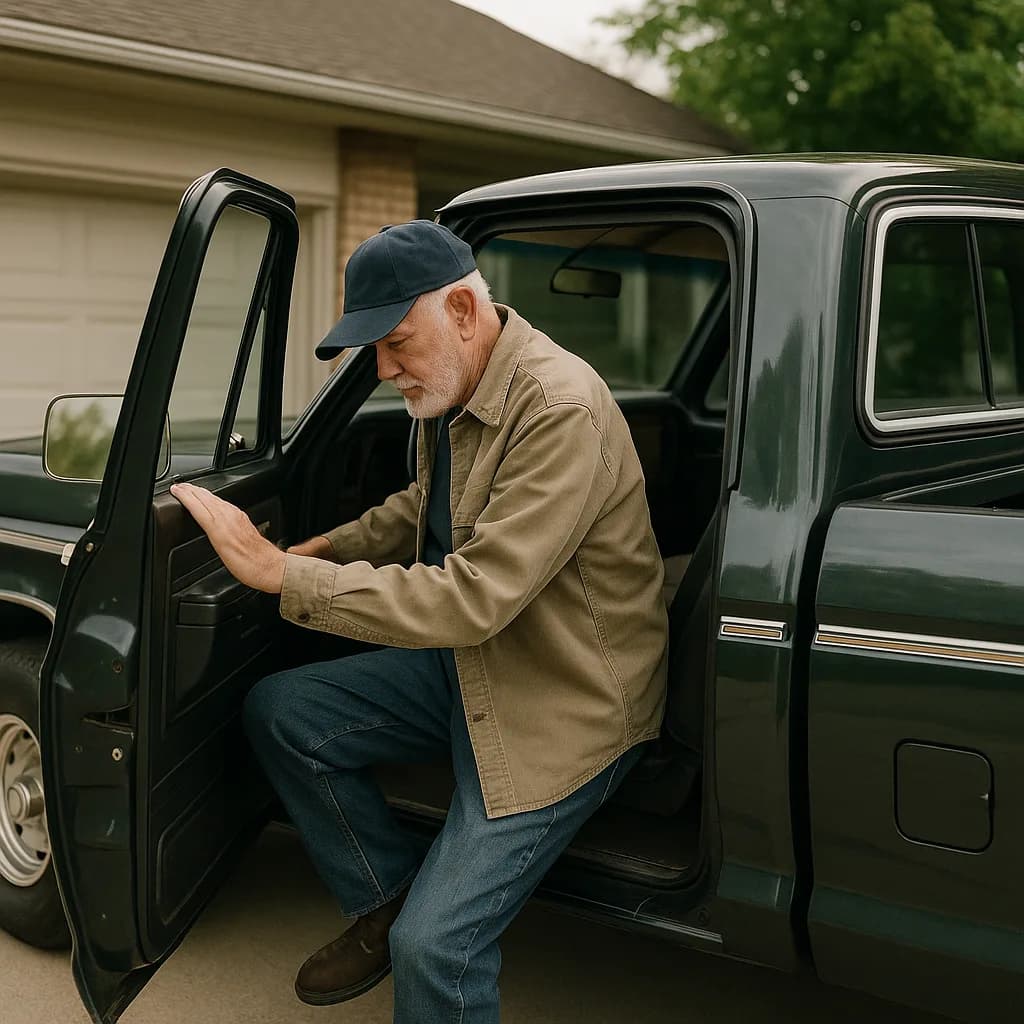
Your carrier needs the vehicle's VIN, title or registration showing the owner's name, proof that the car is garaged at your address, and the new driver's license number. If the car is financed, the carrier also needs the lienholder's name and address to list them as an additional insured. Most carriers accept a registration showing your address as proof of garaging, but some require a signed affidavit if the car is titled to someone who recently moved in.
The carrier assigns the new driver to the newly-added vehicle as the primary operator. If other household members will drive the car regularly, you must list them as secondary drivers. Failing to disclose all regular drivers can void coverage at claim time. The carrier re-rates your entire policy when the new vehicle and driver are added—premium changes reflect the combined risk of every car and driver on the policy, not just the incremental cost of the new vehicle.
Related Articles






State-Specific Rules That Change the Process
Some states require proof of insurance before a vehicle can be registered or titled. If the new driver is transferring their car from another state, they must add the vehicle to your policy before completing the state registration. The carrier issues an insurance ID card for the newly-added vehicle, which the driver presents at the DMV. Without the ID card, the state won't issue plates.
A few states mandate specific coverage minimums that may exceed your current policy limits. If the newly-added vehicle triggers a higher state minimum, the carrier raises your liability limits across every vehicle on the policy to meet the requirement. The premium increase applies to the entire policy, not just the new car. Check your state's minimum liability requirements before adding the vehicle so you know whether your limits will change.
In no-fault states, the carrier adds personal injury protection coverage to the newly-added vehicle automatically. If your existing vehicles already carry PIP, the new car's PIP premium is added to your total. If you're in a choice-no-fault state and previously opted out of PIP, adding a household member's car may require you to elect PIP coverage for the new vehicle even if you waived it for your own cars.
Multi-Car Specialists
21 carriers
Twenty-one national and regional carriers write multi-vehicle policies with dedicated multi-car discounts. Carriers with the largest multi-vehicle books—State Farm, Geico, Progressive, Allstate—typically offer the most competitive rates for households with three or more cars.
NAIC carrier roster, verified multi-vehicle writers 2024
What Happens If You Miss the Deadline
If you report the new vehicle after the grace window closes, the carrier voids coverage back to the date the car should have been added. Any claims filed during that gap are denied. If the new driver had an accident before you reported the car, the carrier treats the vehicle as uninsured and denies the claim entirely. You're also liable for any damages the new driver caused while the car was uninsured, even if you didn't know the grace window had expired.
Some carriers allow you to reinstate coverage by paying the backdated premium for the period the car was unreported. But reinstatement doesn't restore coverage for claims that occurred during the gap—those remain denied. The safest path: report the new vehicle the same day the household member moves in, even if you're still gathering documentation. The carrier can add the car provisionally and finalize the details within the grace window.
Compare Carriers That Write Your Household
Adding a household member's car re-rates your entire policy. The new premium reflects the combined risk of every vehicle and driver, and different carriers price that risk differently. A carrier that gave you the best rate for two cars may not be competitive once you add a third vehicle and a new driver. Compare quotes from carriers that specialize in multi-vehicle households—State Farm, Geico, Progressive, Allstate, and Nationwide all write policies for households with three or more cars and offer multi-car discounts that scale with vehicle count.
Request quotes before the new driver moves in so you know whether switching carriers saves money. If you switch, the new carrier's grace window starts the day you bind coverage, giving you a fresh 14 to 30 days to finalize the vehicle addition. Use the comparison tool to see which carriers write your household's specific vehicle and driver combination, and get binding quotes that include the newly-added car from day one.