
You Just Bought a Second Car
You drove your new car off the lot and now you need to know what happens to your insurance. Your existing policy covers one vehicle. The second car sits in your driveway. You do not know if it is insured right now, when you need to call your carrier, or whether you should start a separate policy.
Most carriers extend automatic coverage to a newly acquired vehicle for a limited window—typically 7 to 30 days depending on the insurer. That window starts the day you take possession. If you do not formally add the car to your policy before the grace period expires, the vehicle loses coverage. At claim time, the carrier can deny based on the unreported vehicle.
Compare car insurance rates in your state
Get quotes from licensed carriers — no obligation, no spam, results in minutes.
Get Your Free QuoteAutomatic Coverage Window
7–30 days
Most carriers automatically extend your existing policy's coverage to a newly purchased vehicle for 7 to 30 days. The exact window depends on your insurer and state. After that period, an unreported vehicle is uninsured.
What Automatic Coverage Actually Means
Automatic coverage is not permanent coverage. It is a temporary extension that applies the same liability and physical damage limits from your existing policy to the new car. If your current policy carries liability only, the second car gets liability only during the grace period. If you carry full coverage on the first vehicle, the second vehicle gets the same collision and comprehensive limits automatically.
The grace period exists to give you time to formally add the vehicle without leaving a coverage gap. It does not replace the requirement to notify your carrier. Carriers track Vehicle Identification Numbers. When you register the second car with your state DMV, that registration links to your name and address. If the carrier runs a periodic VIN check and finds an unregistered vehicle in your household, they can retroactively deny claims or cancel the policy for misrepresentation.
Some carriers require notification within a shorter window than the automatic coverage period. State Farm, for example, extends 30 days of automatic coverage but requires you to report the vehicle within 14 days. Missing the notification deadline can void the automatic coverage retroactively even if you are still within the 30-day window.
If you do not formally add the second car before your carrier's notification deadline, the automatic coverage can be voided retroactively—even if you are still within the grace period.
How to Add the Second Car to Your Policy
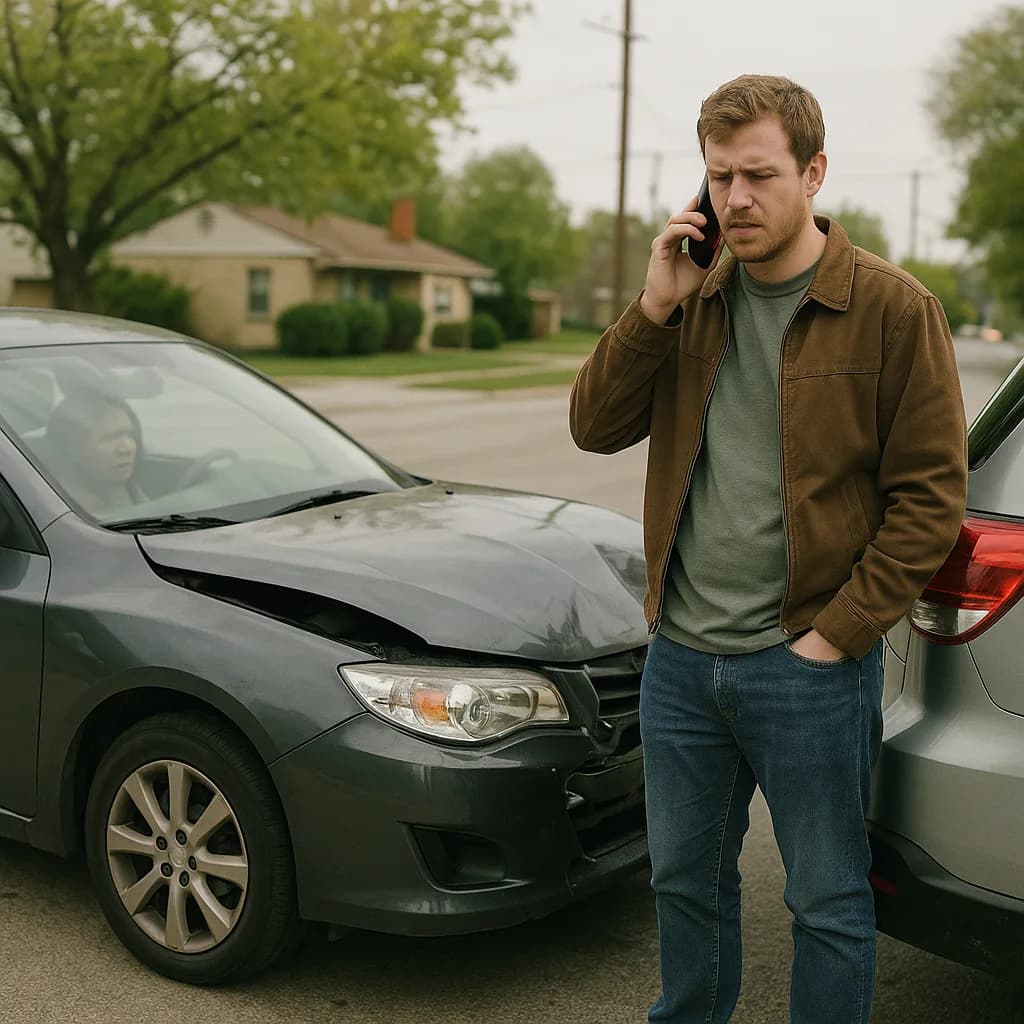
Call your carrier or log into your online account. Provide the Vehicle Identification Number (VIN), the purchase date, and the vehicle's primary garaging address. The carrier will quote the additional premium for the second car and apply the multi-car discount to both vehicles. The discount typically ranges from 10% to 25% per vehicle, but the actual percentage depends on the carrier and your state. You will see the new total premium immediately.
If you are financing or leasing the second car, the lender requires proof of full coverage before releasing the title. Your carrier will issue an updated declarations page showing both vehicles with collision and comprehensive coverage. Send that declarations page to your lender within their required timeframe—usually 30 days from purchase. If you own the second car outright, you can choose liability-only coverage to lower the premium, but most households with two cars carry the same coverage level on both to simplify claims.
Related Articles





When a Separate Policy Makes Sense
Most households save money by keeping both cars on one policy. The multi-car discount applies when every vehicle sits on the same policy under the same named insured. Splitting the cars onto two policies forfeits that discount and raises the combined premium.
A separate policy makes sense in three situations. First, if the second car is titled to a household member who is not listed on your current policy—such as an adult child or a roommate—some carriers require that person to carry their own policy. Second, if the second car is a classic, antique, or collector vehicle, a specialty insurer may offer better agreed-value coverage than your standard carrier. Third, if one vehicle has a high-risk driver and the other does not, isolating the high-risk driver on a separate policy can lower the premium on the low-risk vehicle.
Before opening a second policy, compare the combined premium of two separate policies against the multi-car discount on one shared policy. In most cases, one policy with the discount beats two policies without it. Carriers that write large multi-car discounts include State Farm, Geico, and Progressive.
Multi-Car Carriers Available
21 carriers
At least 21 major carriers write multi-vehicle policies with multi-car discounts. The discount applies when every vehicle on the policy is garaged at the same address and titled to the same household members.
How Adding a Second Car Changes Your Premium
Adding a second car re-rates your entire policy. The carrier recalculates the premium for both vehicles together, applies the multi-car discount to each, and issues a new total. The increase is not simply the cost of insuring the second car in isolation—it is the new combined premium minus your old single-car premium.
The second car's premium depends on its make, model, year, safety features, theft rate, and repair cost. A newer car with advanced safety features and low theft rates costs less to insure than an older high-performance vehicle. The carrier also factors in how you use the car. If the second vehicle is a commuter car driven daily, it costs more than a second car used only for errands or weekend trips. Listing the second car as a pleasure-use vehicle rather than a commute vehicle can lower the premium if your actual usage supports that designation.
What Happens If You Miss the Deadline
If you miss your carrier's notification deadline, the automatic coverage ends. The second car becomes uninsured. If you file a claim on the unreported vehicle, the carrier will deny it. You will pay out of pocket for repairs, medical bills, or liability judgments.
Some carriers allow you to add the vehicle retroactively if you are only a few days past the deadline, but they are not required to. Others will add the vehicle going forward but refuse to backdate coverage, leaving a gap between the grace period and the formal addition date. That gap is uninsured time. If an accident occurred during the gap, you have no coverage.
To fix a missed deadline, call your carrier immediately. Explain when you purchased the vehicle and ask whether they will backdate coverage. If they refuse, ask for the earliest effective date they will offer. Then decide whether to keep both cars on that policy or shop for a new carrier that will cover both vehicles without a gap. When shopping, disclose the gap honestly—misrepresenting your coverage history is grounds for policy rescission.