
The Grace Window Is Shorter Than You Think
You bought a third car last week. Your current policy covers two vehicles with a multi-car discount. You assume you have a month to call your carrier and add the new vehicle. That assumption is wrong in most states, and it puts the discount on all three cars at risk.
Most carriers grant a grace period of 14 to 30 days to report a newly-purchased vehicle. The policy extends automatic coverage to the new car during that window. Miss the deadline, and the carrier can deny coverage for any claim involving the unreported vehicle. Worse, adding the car late often triggers a full policy re-rating that recalculates the multi-car discount from the purchase date, not the reporting date. If the carrier determines you should have reported the vehicle sooner, the discount can be voided retroactively across every car on the policy.
Compare car insurance rates in your state
Get quotes from licensed carriers — no obligation, no spam, results in minutes.
Get Your Free QuoteCarrier Grace Window
14–30 days
The automatic coverage extension for a newly-purchased vehicle lasts 14 to 30 days depending on the carrier. After that window closes, the vehicle is uninsured until you formally add it to the policy, and any claim during the gap is denied.
Carrier policy terms (Allstate, State Farm, Geico, Progressive)
How the Multi-Car Discount Actually Works
The multi-car discount applies when you insure two or more vehicles on the same policy. The discount is a percentage reduction applied to the total premium, not a flat dollar amount per car. The exact percentage varies by carrier and state, but the structural rule is universal: every vehicle on the policy must be titled to a member of the same household and garaged at the same address.
When you add a vehicle, the carrier re-rates the entire policy. The new car's premium is calculated first, then the multi-car discount is applied to the combined total. If the new vehicle is higher-risk than your existing cars, the total premium can rise even with the discount in place. The discount offsets part of the increase, but it does not eliminate it.
Critically, the discount recalculates based on the number of vehicles and their individual risk profiles. A household with three sedans pays less per car than a household with two sedans and a sports car, even though both households have three vehicles. The discount percentage stays the same, but the base premium it applies to changes.
The carrier re-rates your policy the moment you add the new vehicle, not when you bought it. If you wait too long to report, the discount recalculation can apply retroactively, and you may owe back-premium on all three cars.
What to Do the Day You Buy the Car
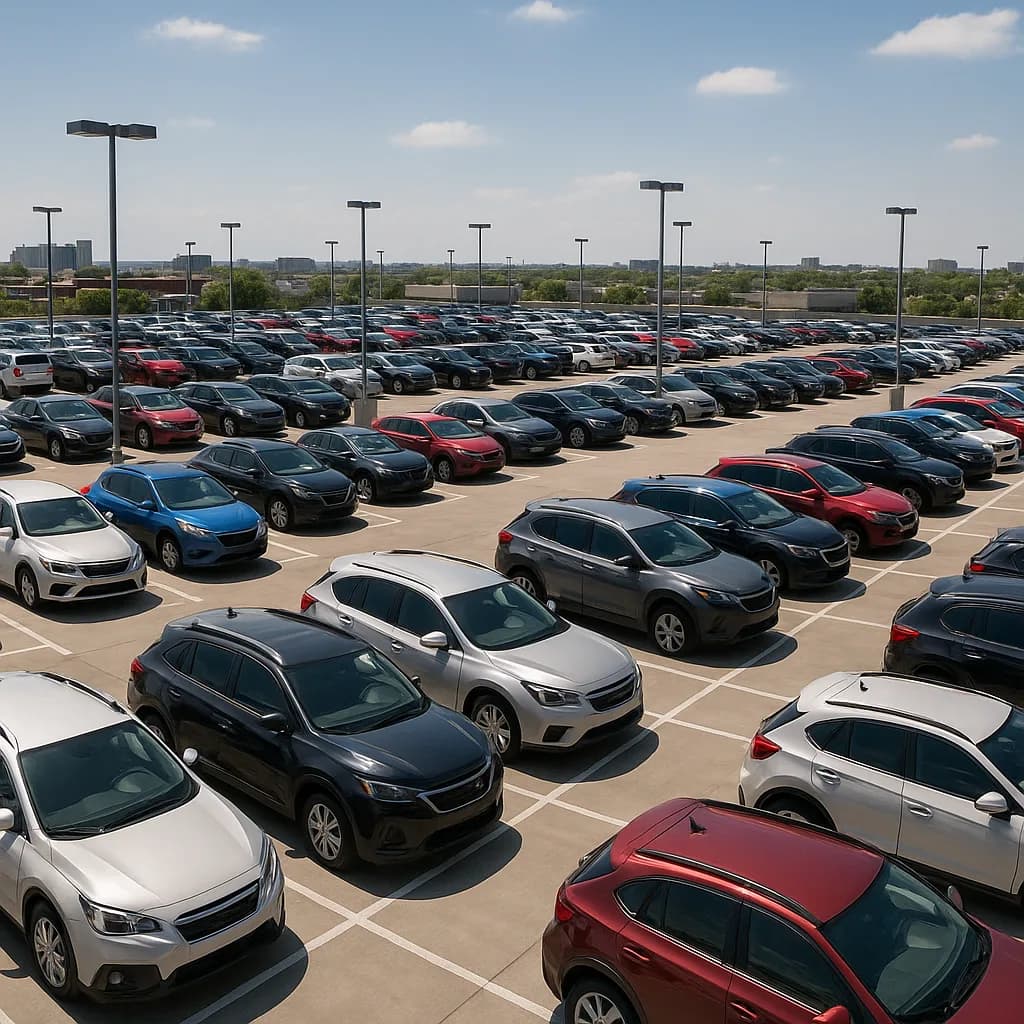
Call your carrier or log into your account portal as soon as you have the vehicle identification number and the title or bill of sale. Provide the VIN, the purchase date, the vehicle make and model, and the garaging address. The carrier will generate a revised policy declaration showing the new vehicle and the recalculated premium. Review the declaration carefully: confirm that the multi-car discount still appears, that all three vehicles are listed, and that the new effective date matches the purchase date.
If you financed the vehicle, the lender requires proof of insurance before you drive off the lot. Your existing policy's automatic coverage extension satisfies that requirement during the grace period, but the lender will not accept it as permanent proof. You must add the car formally and provide the lender with an updated declaration page showing the new vehicle and the lienholder listed as an additional interest. Missing this step can trigger a force-placed insurance policy from the lender at a much higher cost.
Related Articles






When Adding the Car Raises Your Premium More Than Expected
You expected the premium to rise when you added a third car. You did not expect it to jump by more than the cost of insuring the new car alone. This happens when the new vehicle changes the risk profile of the entire policy enough that the carrier re-tiers you into a higher rate class.
Carriers group policies into rate tiers based on overall household risk. A household with two low-risk sedans sits in a lower tier than a household with two sedans and a high-performance coupe. When you add the coupe, the carrier recalculates the tier for all three vehicles. The multi-car discount still applies, but it applies to a higher base rate. The result is a total premium increase that exceeds the cost of the new car in isolation.
If the jump is larger than you can afford, ask the carrier to quote the new vehicle on a separate policy. You lose the multi-car discount, but you avoid the tier re-rating on your existing two-car policy. Compare the total cost of two separate policies against the cost of one three-car policy in the higher tier. In some cases, splitting the policies costs less.
Multi-Car Writers National
21 carriers
At least 21 national and regional carriers actively write multi-vehicle policies across most states. Comparing quotes from three to five carriers when adding a vehicle often uncovers a lower combined rate than your current carrier offers after the re-rating.
If You Miss the Grace Window
You bought the car three weeks ago and forgot to call your carrier. The grace period expired. The new vehicle is now uninsured, and any accident involving it will not be covered under your existing policy. You need to add the car immediately, but the late reporting creates two problems: a coverage gap and a potential retroactive premium adjustment.
Call your carrier as soon as you realize the mistake. Explain the situation and ask them to add the vehicle with an effective date matching the purchase date. Some carriers will backdate coverage if you provide proof of purchase and confirm that no accidents or claims occurred during the gap. Other carriers will only cover the vehicle from the date you report it forward, leaving the gap uninsured. If the carrier refuses to backdate, you have no coverage for the period between the grace window expiration and the reporting date. Any claim during that window is your financial responsibility.
Compare Carriers Before You Commit
Your current carrier may not offer the best rate after adding the third vehicle. The multi-car discount percentage varies widely by carrier, and a smaller discount on a lower base rate often beats a larger discount on a higher base rate. Before you finalize the addition, get quotes from at least two other carriers that write multi-vehicle policies in your state.
Provide each carrier with the same information: the VIN and details for all three vehicles, the garaging address, and the coverage limits you want. Ask each carrier to quote the policy with the multi-car discount applied. Compare the total annual premium, not just the per-vehicle breakdown. The carrier with the lowest total cost wins, even if their per-car rate for one vehicle is higher than another carrier's.
Switching carriers mid-term to add the new vehicle is allowed. Cancel your current policy effective the date you bind the new three-car policy with the new carrier. Your current carrier will refund the unused premium on a pro-rata basis. The new carrier's policy starts the same day, so there is no coverage gap. Confirm the new policy declaration lists all three vehicles, shows the multi-car discount, and names any lienholders before you cancel the old policy.