
When the Second Car Arrives
You bought a second vehicle. You have an existing auto policy covering your first car. The question now is whether to add the new car to that policy or start a separate one. Most drivers assume the choice is simple: add it to the existing policy and pay a bit more each month. The reality is more complicated.
Carriers do not simply append a second vehicle's cost to your current premium. When you add a car mid-term, the carrier re-rates the entire policy. That means both vehicles are priced together from the date you add the second one, and the multi-car discount applies to the combined premium. The final number can be higher or lower than you expected, depending on how the carrier structures the discount and what the second vehicle's risk profile looks like relative to the first.
Compare car insurance rates in your state
Get quotes from licensed carriers — no obligation, no spam, results in minutes.
Get Your Free QuoteNational Auto Premium Range
$61.38–$119.87/mo
The national average monthly auto premium falls between $61.38 and $119.87 across all driver profiles and coverage levels. Adding a second vehicle to a policy shifts the combined premium into a different rate tier, and the multi-car discount applies to that new combined base.
NAIC 2023 Auto Insurance Database
How Carriers Re-Rate When You Add a Vehicle
When you add a second car to an existing policy, the carrier does not calculate the second car's premium in isolation and add it to your current bill. Instead, the carrier re-rates both vehicles together as a multi-car policy. The multi-car discount applies to the combined premium, not to each vehicle individually.
This re-rating happens at the moment you add the second vehicle, even if you are mid-term on your current policy. The carrier calculates a new premium for the remainder of the term, prorated from the date the second car is added. If your policy renews shortly after you add the car, the full combined premium takes effect at renewal.
The multi-car discount typically requires both vehicles to be titled to the same person or household members living at the same address, and both vehicles must be on the same policy. If the second car is titled to someone outside your household, or if you try to keep two separate policies for the two cars, the discount does not apply.
The multi-car discount only applies when both vehicles sit on the same policy and meet the carrier's household and garaging requirements.
What the Multi-Car Discount Actually Does
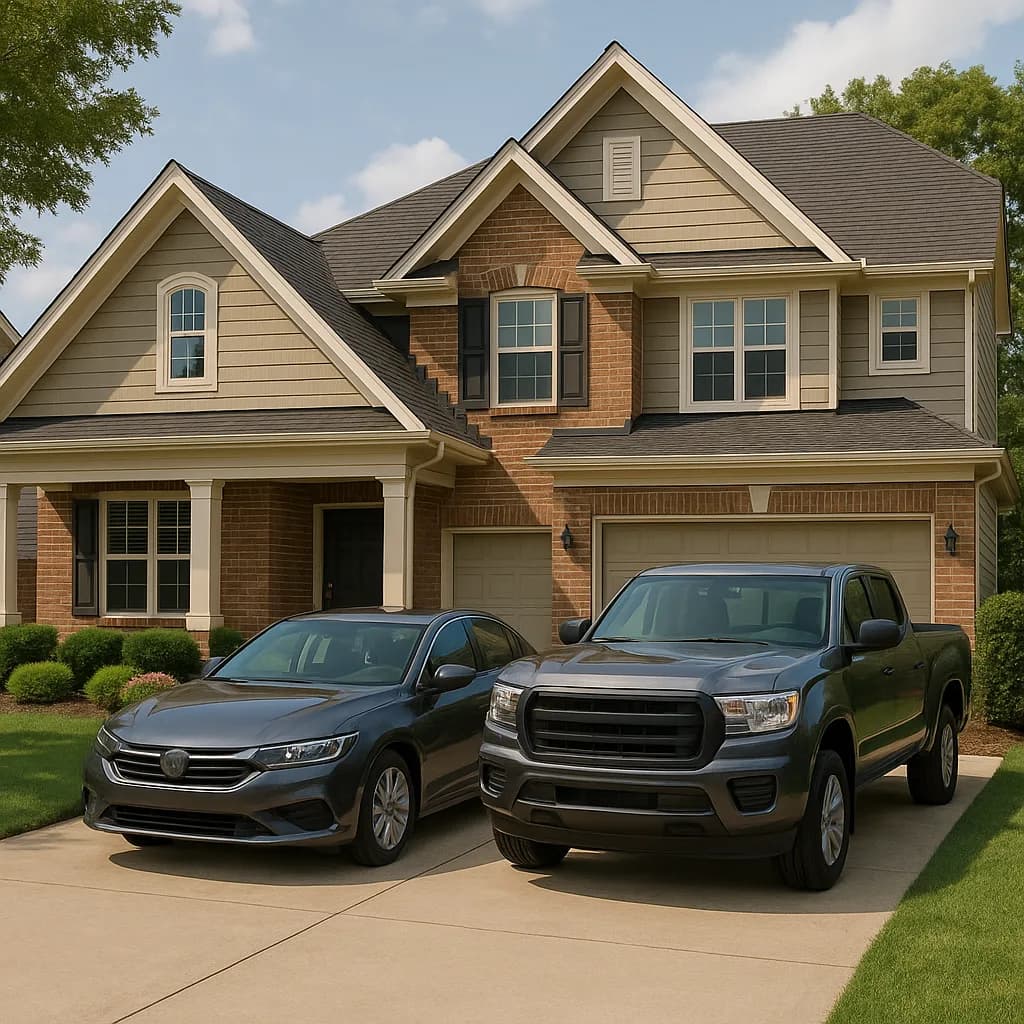
Carriers apply the multi-car discount to the total premium after calculating the cost of insuring both vehicles together. The discount percentage varies by carrier, and no standard figure exists across the industry. Some carriers apply a larger discount to the second vehicle's portion of the premium, while others apply a flat percentage to the combined total. The structure is carrier-specific, and you will not know the exact discount until you receive a quote with both vehicles on the policy.
A smaller discount on a lower combined base rate can result in a lower total premium than a larger discount on a higher base rate. This happens when the second vehicle you add is cheaper to insure than the first, or when the carrier's multi-car pricing structure favors your household's risk profile. The only way to know which carrier offers the best combined rate is to compare quotes with both vehicles included on the same policy from multiple carriers.
Related Articles






Adding a Car Mid-Term: Grace Periods and Coverage Gaps
Most carriers give you a grace period to report a newly purchased vehicle and add it to your existing policy. The grace period is typically 14 to 30 days from the date you take possession of the car, but the exact window varies by carrier and state. During the grace period, your existing policy's liability coverage extends to the new vehicle automatically, but comprehensive and collision coverage may not transfer unless you already carry those coverages on another vehicle on the policy.
If you do not report the new vehicle within the grace period, the carrier can deny a claim on that car. The automatic coverage extension ends when the grace period expires. After that point, an unreported vehicle is uninsured, even though you have an active policy covering your first car.
When you add the second car within the grace period, the carrier re-rates the policy as described above and charges you the prorated premium for the remainder of the current term. If you miss the grace period and report the car late, some carriers will backdate coverage to the purchase date and charge the full prorated premium, while others will start coverage only from the date you report it. The carrier's policy on late reporting varies, and you should confirm the coverage start date when you add the vehicle.
Typical Grace Period for Adding a Vehicle
14–30 days
Most carriers allow 14 to 30 days from the date you take possession of a newly purchased vehicle to report it and add it to your policy. The exact window is carrier-specific and may be shorter in some states. Missing the grace period can result in a coverage gap.
One Policy or Two: When Separate Policies Make Sense
Most households save money by insuring both vehicles on one policy and taking the multi-car discount. However, separate policies can make sense in specific situations. If the second vehicle is titled to a household member who has a significantly different risk profile—such as a teen driver with a high-risk vehicle, or a spouse with a poor driving record—some carriers will price that driver and vehicle more favorably on a separate policy than they would if both vehicles were combined on one policy.
Separate policies also make sense when the two vehicles are garaged at different addresses, or when one vehicle is owned by someone outside the household. Most carriers require all vehicles on a multi-car policy to be garaged at the same address and titled to members of the same household. If those conditions are not met, the carrier may not allow both vehicles on the same policy, or the multi-car discount may not apply even if the carrier does allow it.
Compare Carriers With Both Vehicles Included
The only way to know which carrier offers the best rate for insuring two cars on one policy is to compare quotes with both vehicles included from the start. Do not compare single-car quotes and assume the multi-car quote will be proportionally higher. The re-rating structure and the multi-car discount vary enough across carriers that the cheapest single-car carrier is often not the cheapest multi-car carrier.
When you request quotes, provide accurate information about both vehicles, all drivers in the household, and the garaging address. The quote you receive is only valid if the information matches your actual situation. If you add a second vehicle after receiving a quote based on one car, the carrier will re-rate the policy, and the final premium may differ from the original quote. Get the multi-car quote upfront to avoid surprises when you add the second vehicle.