
When Siblings Can Share One Policy
You and your sibling both own cars. You live together, or you're about to, and someone suggested putting both vehicles on one policy to get the multi-car discount. The carrier asked whether you share a household, and now you're stuck: does living at the same address make you a household, or do you need to be married or related in a specific way?
Most carriers define a household as people living at the same address who share financial responsibility for the residence. Siblings who rent or own together meet that definition. Siblings who happen to live in the same building but maintain separate leases typically do not. The policy structure hinges on whether the carrier treats you as one rating unit or two adults who happen to share an address.
Compare car insurance rates in your state
Get quotes from licensed carriers — no obligation, no spam, results in minutes.
Get Your Free QuoteNational Carrier Roster
34 carriers
The national carrier roster includes 34 insurers writing multi-vehicle policies. Not all write policies for unrelated or sibling households; some require marriage or parent-child relationships to qualify for shared-policy discounts.
NAIC carrier roster, 2026
The Household Definition Problem
Carriers use household definitions to decide who can share a policy and how premiums are calculated. A married couple with two cars is one household. A parent and teenage child with two cars is one household. Two siblings renting an apartment together occupy a gray zone: you share an address, but most carriers treat adult siblings as separate rating units even when they allow the shared policy.
The rating-unit distinction matters because it changes how the multi-car discount applies. When a carrier treats you as one household, the discount applies to the combined premium for both vehicles. When the carrier treats you as two separate rating units on one policy, each driver's portion of the premium may be discounted separately, and the total savings shrink.
Some carriers will not write a shared policy for siblings at all. Others write it but apply the discount only to the lower-risk driver's vehicle. A few treat sibling households the same as married households and discount both vehicles equally. You cannot know which category your carrier falls into until you ask for a quote with both vehicles and both drivers listed.
Most carriers rate adult siblings as separate units even on one policy, which reduces the multi-car discount compared to married or parent-child households.
How the Shared-Policy Structure Works
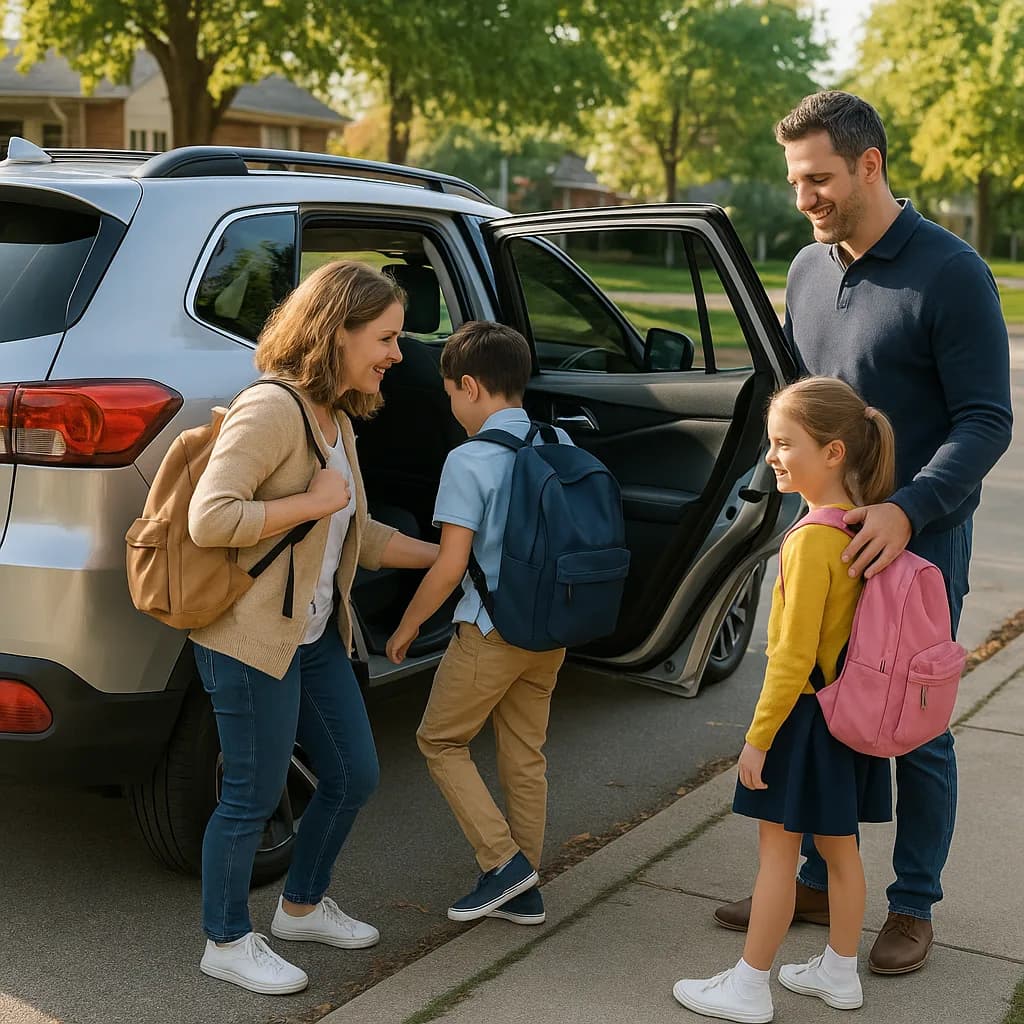
The carrier rates each driver individually based on age, driving record, and claims history. Your sibling's speeding ticket does not directly raise your portion of the premium, but it does raise the total policy cost because the carrier is insuring both of you. If your sibling is younger or has violations, their base rate is higher, and that higher rate applies to their vehicle even though you share the policy.
The multi-car discount then applies to the combined premium. A typical multi-car discount is a percentage off the total, but the percentage varies by carrier and by how many vehicles sit on the policy. Two vehicles usually qualify for a smaller discount than three or four. The discount reduces the total premium, but it does not flatten the difference between your base rate and your sibling's base rate.
Related Articles






When Separate Policies Cost Less
A shared policy does not always save money. If your sibling has a recent at-fault accident or DUI, their base rate is high enough that even with the multi-car discount, the combined premium exceeds what you would pay on a separate policy. The shared-policy structure also means any claim filed by your sibling can affect the policy's renewal rate, which raises your cost at renewal even if you filed no claims yourself.
Carriers that treat siblings as separate rating units sometimes offer a better deal by writing two separate policies under the same account. You lose the multi-car discount, but you avoid cross-contamination: your sibling's claim does not trigger a rate increase on your policy. Some carriers also offer a multi-policy discount when you hold two separate auto policies with them, which partially offsets the lost multi-car discount.
The math depends on your state's minimum liability limits, your sibling's driving record, and the specific carrier's rating algorithm. In states with high minimum limits, the base premium is already elevated, and the multi-car discount may not cover the added cost of insuring a high-risk sibling. In states with low minimums, the discount often beats two separate policies even when one sibling has violations.
General Driver Monthly Premium
$61–$120/mo
National average monthly premiums for drivers with clean records range from $61 to $120. Adding a sibling with violations or claims raises the combined premium, and the multi-car discount may not offset the increase.
NAIC Auto Insurance Database, 2023
State Minimum Liability and Policy Structure
State minimum liability limits set the floor for what the policy must cover. When two siblings share a policy, the policy must meet the state minimum for both vehicles. In states with higher minimums, the base premium is higher, which makes the multi-car discount more valuable in absolute dollars. In states with lower minimums, the base premium is lower, and the discount saves less.
Some states require uninsured motorist coverage or personal injury protection as part of the minimum. Those requirements add to the base premium for both vehicles on a shared policy. If your sibling drives a newer or more expensive vehicle, the carrier may require collision and comprehensive coverage as a condition of financing, which further raises the total premium even though those coverages are optional under state law.
Compare Carriers and Get Quotes for Both Structures
The only way to know whether a shared policy saves money is to get quotes for both structures: one policy with both vehicles, and two separate policies. Request quotes from at least three carriers that write multi-vehicle policies in your state. List both drivers, both vehicles, and the shared garaging address on every quote request so the carrier rates the household accurately.
Ask each carrier how they treat sibling households: do they rate you as one household or two separate units, and does the multi-car discount apply to the combined premium or to each driver's portion separately. Carriers that specialize in non-standard or multi-vehicle households often have better pricing for sibling structures than carriers that primarily write single-driver or married-couple policies. Use the site's comparison tool to identify carriers that write policies for your household structure and request quotes directly.